A financial plan is not meant to be created once and left alone. Life evolves, tax laws shift, and personal goals change. Regular financial plan reviews help you make sure that your strategy is keeping your financial plan relevant. Without these check-ins, even a well-designed plan can drift off course.
Why Reviews Matter
Financial planning involves many moving parts — income, investments, taxes, and legacy planning. When one element changes, the rest of the plan may need to adjust. Regular reviews provide the chance to step back, assess your situation, and update your plan so it stays relevant to your life.
Key Areas to Revisit During Reviews
When conducting regular financial plan reviews, it is helpful to focus on:
- Income: Are your retirement income sources meeting your current needs?
- Investments: Does your portfolio still align with your time horizon and goals?
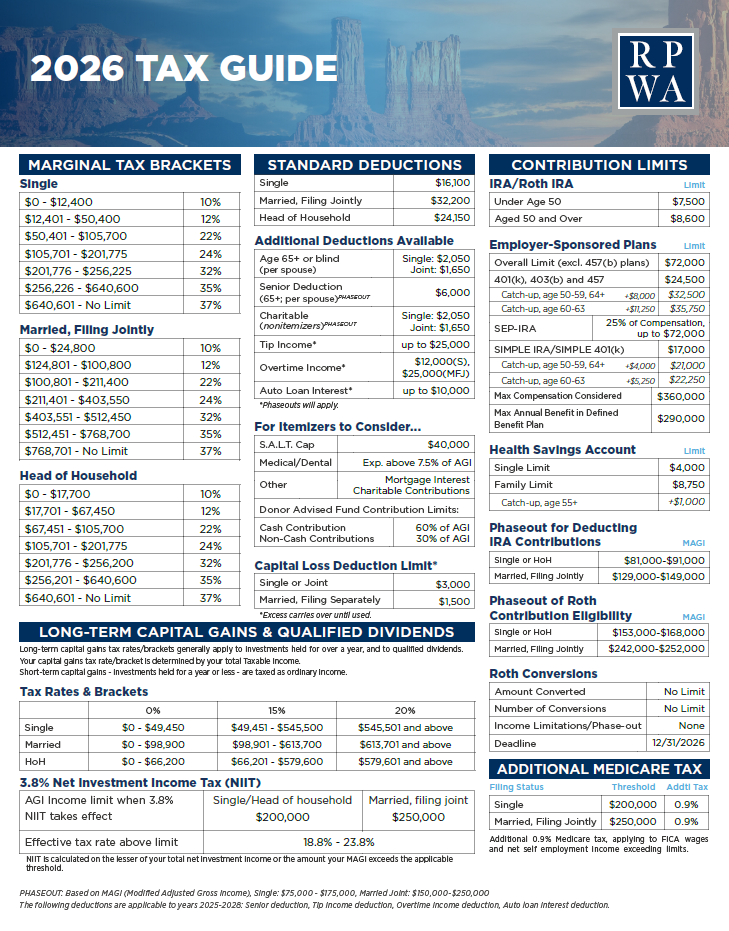
- Taxes: Have recent tax changes created new opportunities or challenges?
- Estate Planning: Do your documents and beneficiary designations still reflect your wishes?
- Insurance: Does your coverage continue to fit your family’s situation?
Looking at each area ensures your plan reflects both financial realities and personal priorities.
The Risks of Skipping Reviews
Without regular reviews, families risk having outdated plans. For example, failing to update a beneficiary designation after a marriage or divorce could lead to unintended consequences. Overlooking tax law changes may mean missing planning opportunities. Inconsistent reviews can also leave investment allocations drifting away from their intended balance.
How Reviews Support Retirement Planning
Retirement is a time when financial reviews become even more important. Income needs, healthcare expenses, and tax rules can all shift significantly during these years. Regular reviews provide the chance to adjust withdrawals, revisit investment allocations, and confirm estate plans continue to reflect your goals.
The Role of Education
Reviews are not just about numbers; they are about understanding. Each check-in is a chance to revisit financial concepts and strengthen your knowledge. For example, learning how required minimum distributions work or how Roth conversions might fit your tax picture ensures you are part of the decision-making process.
Collaboration Makes the Difference
Working with professionals during financial plan reviews adds perspective. Advisors can highlight trade-offs, explain how different parts of your plan interact, and provide education about changes in tax laws or retirement rules. The goal is to keep your plan relevant, not static.
Taking the First Step
If it has been more than a year since your last review, consider scheduling one soon. Start by gathering account statements, estate documents, and recent tax returns. From there, review whether your income, investments, and goals remain in alignment.
Keeping Your Financial Plan Relevant with Consistent Reviews
Regular financial plan reviews keep your strategy adaptable and meaningful. They help ensure that your income, taxes, and legacy goals remain connected to your current life stage. By making reviews an ongoing habit, you keep your plan relevant no matter how life changes.
At Rise Private Wealth, we believe financial planning should evolve with you. Contact us today to schedule regular financial plan reviews and explore how your strategy can stay aligned with your goals.