As the year comes to a close, many families reflect on causes they care about and consider making donations. The season of giving encourages aligning charitable contributions with your tax strategy. With intentional preparation, generosity can connect to financial decisions in a meaningful way.
Why Charitable Giving and Tax Strategy Belong Together
Charitable contributions can support the organizations you value while also interacting with your tax situation. When reviewed as part of a financial plan, giving decisions can take into account income levels, retirement accounts, and long-term goals. While tax benefits should not be the sole driver of generosity, considering them may help families give in ways that are both impactful and efficient.
Common Approaches to Consider
There are several ways charitable contributions can intersect with tax strategy:
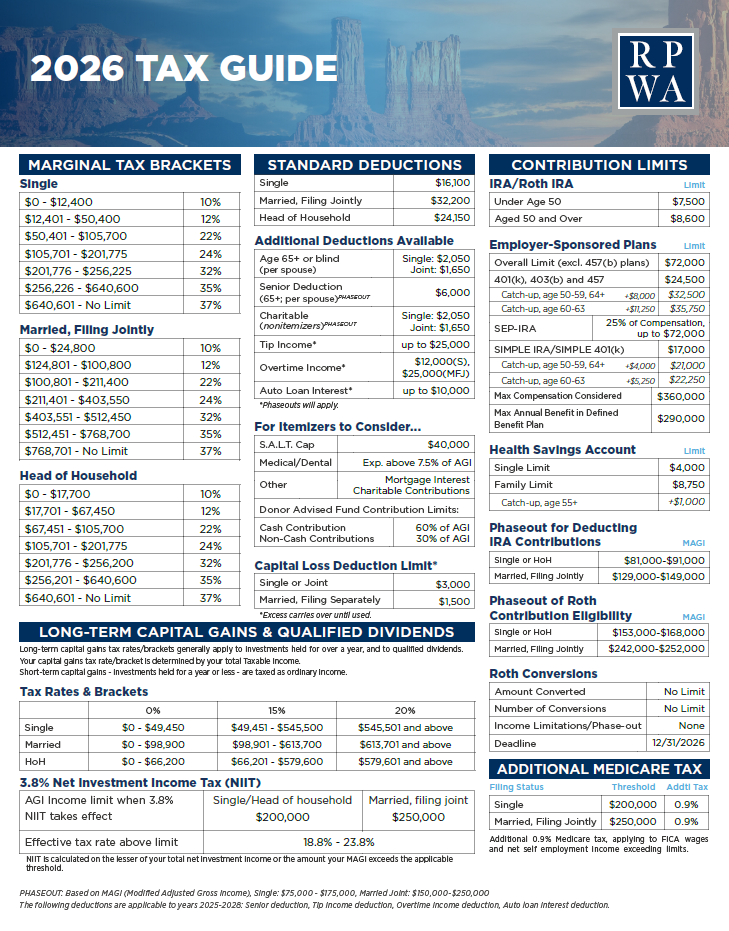
- Cash Gifts: Straightforward and often deductible if you itemize taxes.
- Donating Appreciated Assets: Contributing stocks or mutual funds that have grown in value may reduce potential capital gains taxes.
- Donor-Advised Funds: Allow contributions today, with flexibility to grant funds to charities over time.
- Qualified Charitable Distributions (QCDs): For those age 70½ and older, directing retirement account distributions to charities can count toward required minimum distributions.
Each of these charitable contribution methods has specific rules and requirements. Reviewing them in the context of your financial and tax picture helps identify which may be appropriate.
Timing Matters
The season of giving coincides with year-end tax deadlines. Contributions must generally be made by December 31 to be considered for that tax year. Reviewing options earlier in the season allows time to complete transfers, confirm paperwork, and plan for cash flow. Waiting until the last days of the year may limit choices or cause unnecessary stress.
Charitable Giving as Part of Legacy Planning
For many families, charitable contributions are not just about annual giving but also about building a legacy. Including charitable giving in your estate plan — through bequests, charitable trusts, or naming charities as beneficiaries — can help ensure your support continues into the future. Aligning this with tax strategy creates consistency between your lifetime giving and your long-term goals.
Misconceptions About Aligning Charitable Contributions With Your Tax Strategy
A common misconception is that tax benefits only apply to very large donations. In reality, families at many income levels may see some impact from charitable contributions, depending on how they file and what type of gifts they make. Another misconception is that cash is always the most effective way to give. For some situations, appreciated assets or retirement account distributions can be more efficient.
Working With Professionals
Because charitable giving overlaps with financial planning, tax considerations, and estate goals, working with advisors can be valuable. Professionals can help explain rules, outline the trade-offs of each strategy, and ensure that giving decisions align with your broader plan. The focus is education, so decisions feel clear rather than rushed or reactive.
Taking the First Step
The first step in aligning charitable contributions with your tax strategy is identifying the organizations you want to support. From there, reviewing different giving vehicles helps determine which approach fits your financial circumstances. Starting the conversation early in the season of giving provides more flexibility and clarity.
Aligning Contributions for Tax Benefits
Aligning charitable contributions with your tax strategy brings together generosity and thoughtful planning. Whether through cash, appreciated assets, donor-advised funds, or QCDs, these approaches can align with your financial and legacy goals.
At Rise Private Wealth, we help clients explore how charitable contributions can fit into their broader financial strategy. Contact us today to discuss your year-end giving options and how they may connect with your tax and retirement planning.